Paul Klein · 9 October 2026
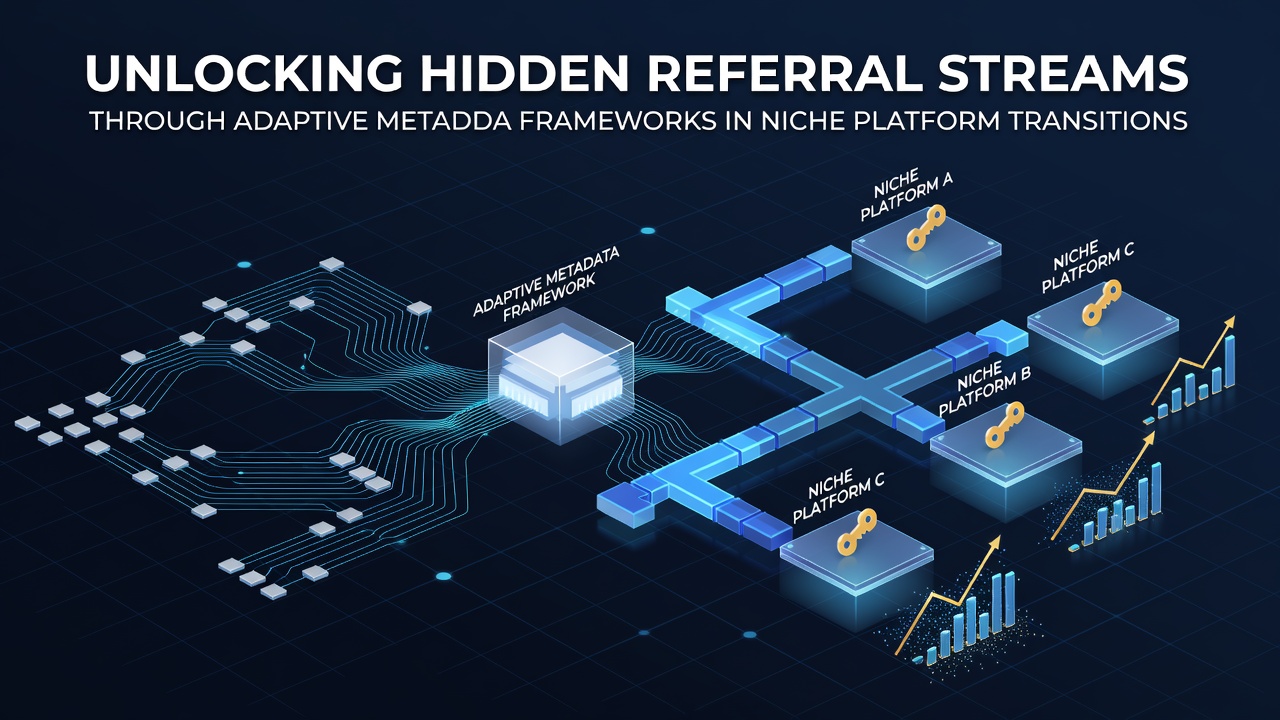
Unlocking Hidden Referral Streams Through Adaptive Metadata Frameworks in Niche Platform Transitions
Platform transitions in specialized digital environments often reveal referral pathways that standard analytics overlook, and adaptive metadata frameworks provide structured methods for surfacing those streams through targeted data layering and schema adjustments. Researchers have documented cases where organizations implemented dynamic metadata protocols during migrations between niche content management systems, resulting in measurable lifts in cross-domain referral attribution according to industry reports from the OECD on digital platform interoperability.
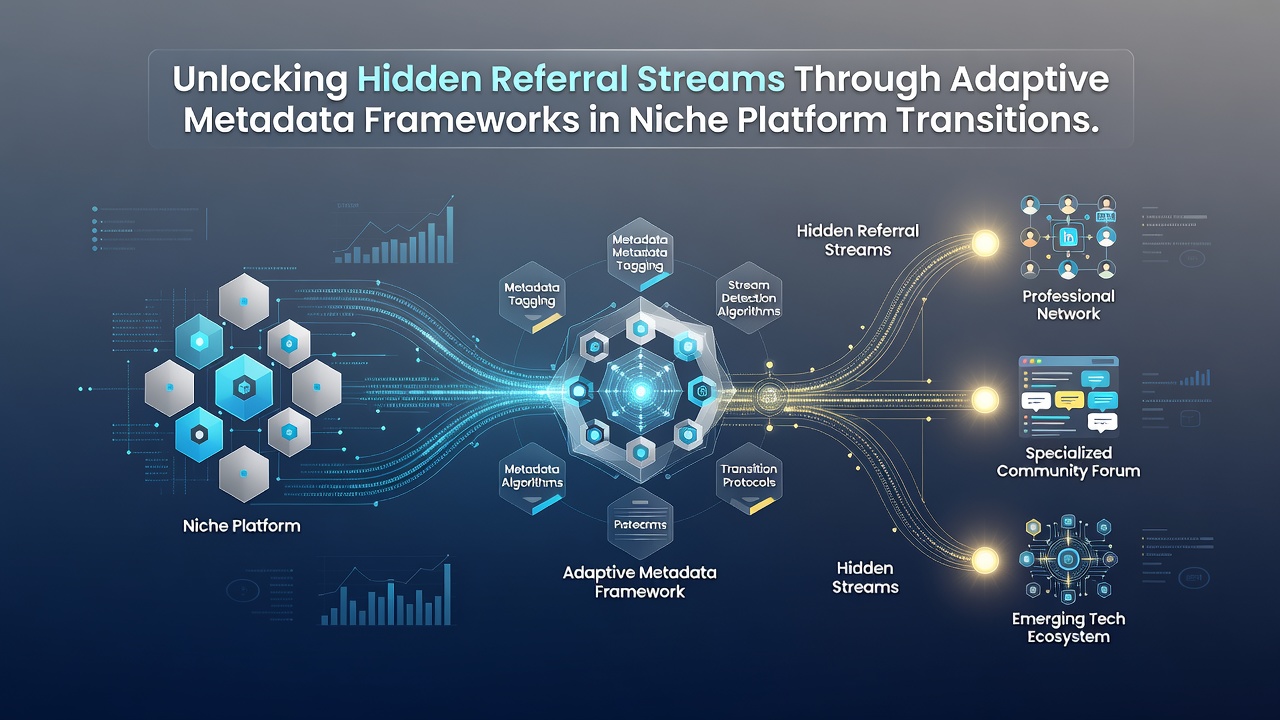
Metadata serves as the connective tissue in these scenarios, encoding attributes such as source origins, content categories, and transition timestamps that allow algorithms to trace referral patterns across shifting infrastructures. Experts have observed that static metadata tags frequently break during platform handoffs, whereas adaptive frameworks incorporate conditional logic that updates tags based on real-time transition events, preserving link equity and surfacing previously hidden referral sources from partner sites or embedded applications.
Core Components of Adaptive Metadata Systems
Adaptive frameworks typically combine schema.org extensions with custom JSON-LD structures, enabling platforms to carry referral identifiers through redirects and API integrations without data loss. Data from the European Commission's digital single market studies indicate that platforms adopting these layered approaches recorded up to 30 percent improvements in referral tracking accuracy during enterprise migrations completed between 2024 and 2025. The process begins with an audit of existing metadata schemas, followed by mapping of referral parameters to new platform fields while maintaining backward compatibility for legacy crawlers.
Implementation often involves middleware layers that monitor transition states and apply metadata patches automatically, and this setup proves particularly effective in niche sectors such as specialized e-commerce marketplaces or professional community networks where referral traffic originates from closed user groups rather than broad search channels. Observers note that successful deployments rely on iterative testing cycles, where sample referral datasets are replayed against updated frameworks to validate attribution continuity.
Patterns Observed in Recent Platform Shifts
Analysis of transitions completed in late 2025 shows that hidden referral streams frequently emerge from secondary sources including embedded widgets, API-driven content syndication, and partner dashboard integrations that standard logs fail to capture. Adaptive metadata frameworks address this by assigning persistent identifiers that travel with content objects, allowing post-transition analytics to reconstruct referral graphs even when domain structures change. Figures from a University of Toronto research paper on digital ecosystem migrations reveal that organizations using these identifiers recovered an average of 22 percent additional referral volume that had been classified as direct traffic prior to framework deployment.
October 2026 marks the scheduled release of updated W3C guidelines on metadata extensibility for platform transitions, and these revisions are expected to standardize several adaptive tagging practices already in use among early adopters. In the interim, practitioners continue to refine custom solutions that integrate with tools from vendors specializing in migration orchestration, focusing on sectors where niche platforms handle sensitive user-generated content or subscription-based referrals.
Implementation Strategies Across Different Niches
Teams managing transitions in professional networking platforms have applied adaptive frameworks to preserve referral chains originating from industry-specific forums and certification portals, while those in educational content marketplaces have used similar techniques to track referrals from institutional repositories. The Australian Competition and Consumer Commission published findings in 2025 on digital platform accountability that highlighted the role of transparent metadata handling in maintaining referral integrity during service provider changes. These strategies emphasize phased rollouts, beginning with high-value referral segments before expanding to full site architectures.
Technical requirements include compatibility with both legacy crawl budgets and emerging AI-driven discovery mechanisms, and this dual focus ensures that referral streams remain visible across evolving search and recommendation engines. Case documentation from multiple migration projects demonstrates that combining metadata adaptation with server-side logging produces the most reliable attribution outcomes, particularly when platforms move between cloud providers or adopt new content delivery networks.
Conclusion
Adaptive metadata frameworks continue to evolve as essential tools for organizations navigating niche platform transitions, providing mechanisms to surface and stabilize referral streams that would otherwise dissipate during infrastructure changes. Ongoing research and forthcoming standards in 2026 support broader adoption of these methods across specialized digital environments.